POV: Viral Lost
Every brand yearns to get noticed through a piece of content thousands of people will watch, post, and share.
Below is one of the best opportunities for a viral video AT&T ever had while I was on the account and also one of the best opportunities for consumer engagement squandered. Ironicly, the spot messaging was about creating virality.
Here’s their TV spot:
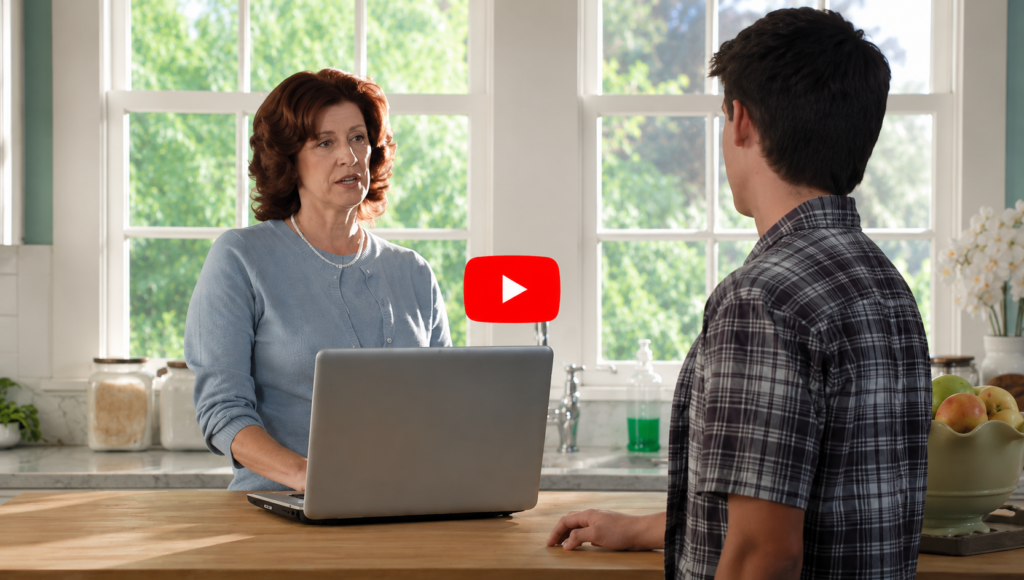
No one can predict what content will go viral, but like most brands, AT&T posted the spot online, to YouTube to be precise. It’s not written, shot, edited or enabled for online but that’s a subject for another post.
My point is they posted their TV spot then figured that was good enough. Woo-hoo! It’s online! It’s digital content! That’s where they stopped.
Had they cared, and monitored the comments section of their YouTube post, they would’ve quickly learned. Almost every visitor came in search of the entire “Carol’s son viral dancing squirrel video” featured in the spot, not the TV spot itself (which, of course, they’ve already seen and why they’re on YouTube looking for that video in the first place).
Every commenter was yearning for a deeper, positive brand engagement–actually egar for something brought to them by AT&T–and every one of them (the majority probably 12- to 44-year-olds) went away disappointed. A quick reading of the viewer comments under the spot was all the proof needed.
It equals self-inflicted damage that could have been avoided had they made proper use of the tools of their chosen channel and listened to people already interacting.
They spent big money for creative then killed the ROI because a) they didn’t know how/where to use it and b) they neglected to listen to what consumers were telling them right there in the comments section.
One of the benefits of digital is having instant access to where consumers stand with your brand at any given time. However, that benefit is completely lost if you don’t act on the information presented. You still have to care. If you don’t care enough to act as instantly as consumers react to your marketing, the real-time benefits of digital are lost. Your online efforts are simply a one-way bulletin board for TV spots, print ads, and other ‘content’ someone thinks consumers want.
It’s a lot easier to listen to them. They’ll tell you.
After reading the comments and identifying a desire, I reached out to our New York office to see if the account team could get me the raw footage so we could post that online – giving the consumer what they wanted. Since it came from another agency getting it would have caused someone to jump through a few hoops, so no one ever got back to me.
The below video was posted by a third party who wanted it bad enough to go directly to the production company and ask for the footage, something I, as a professional at another agency, couldn’t do due to contractual bindings.
I worked for their digital agency. I couldn’t get it. Here it is:
At the time of writing, this 57 seconds of video has over 60,000 views. The AT&T TV spot? A mere couple thousand. You can now only find both online at third-party sites. Opportunity squandered.
Large brands need to learn how to operate at the speed of digital. They need to be as agile as the medium channels they choose and make it easier for people to engage, to remove the levels of approval process and egos involved because, by the time they get out of their own way, it’s too late; the iron has gone too cold to strike.
Big brands need to build system agility that breaks through those barriers, or they’ll find themselves left behind in the digital dust.